
Media Blasting Basics in North Carolina: Soda vs. Sand vs. Dustless for Wood & Masonry
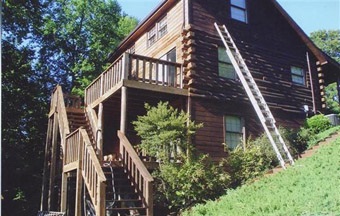
If you own a log home or wood-sided property in North Carolina, choosing the right media blasting method is a big decision. The goal is simple: to cleanly remove failed coatings and surface contaminants without chewing up the wood or leaving masonry etched and scarred. Below, we break down soda, sand, and dustless blasting so you can understand where each shines, where it falls short, and how it fits the realities of North Carolina’s climate and building materials. When you are ready to evaluate your home, our team can help you plan the right approach with professional media blasting and careful surface prep.
Why Media Blasting Matters for Log Home Restoration
Restoring a log home is all about controlled removal. You want to strip away sun-baked stain, mildew, and loose fibers while protecting the integrity of the logs. Old coatings can seal in moisture, make new stains fail early, and hide hairline cracks. Proper blasting opens the pores of the wood so the stain bonds correctly and looks even. For masonry and metal accents around porches, chimneys, or railings, a targeted blasting choice prevents chipping, pitting, or warping.
As a log home restoration specialist, TaskMasters focuses on prep that sets your finish up for success. We also consider North Carolina’s mix of coastal humidity, mountain freeze-thaw cycles, and spring pollen that sticks to everything. All of that affects how we choose the technique and schedule the work.
Media Blasting in North Carolina: The Three Main Methods
Soda Blasting: Gentle, Clean, and Versatile
Soda blasting uses sodium bicarbonate. It is softer than most abrasives, so it’s forgiving on delicate substrates. On wood, soda can remove oxidized fibers and many coatings without digging into the grain. On brick, stone, or metal, it lifts grime and light coatings while minimizing etching. It also helps neutralize some odors from smoke damage.
- Best fits: softwoods on historic log homes, light-to-moderate coating removal, smoke cleanup on masonry or framing.
- Watch-outs: heavy, thick film finishes may require more aggressive media or staged removal; cleanup includes fine residue.
Pair soda blasting with a finishing plan tailored to the species of wood and exposure. The surface should be clean, consistent, and ready to accept stain with even absorption.
“Sand” Blasting: Powerful but Often Too Aggressive for Wood
Traditional “sand” blasting is a broad term. Many pros now use crushed glass or other non-silica media instead of actual sand to reduce health risks. Even so, the cut rate can be high. On log homes, this can raise the grain, leave swirl marks, or gouge edges if not dialed in. On brick and metal, the same power that clears coatings fast can frost the surface more than you want.
A skilled operator and conservative settings are crucial for wood. We reserve more aggressive media for specific situations, like stubborn film-forming coatings that won’t release with gentler options. If the goal is a smooth, stain-ready wood surface, we often favor milder media or blend blasting with light sanding where appropriate.
Dustless Blasting: Lower Dust, Added Moisture
Dustless systems mix water with media to suppress airborne dust. That’s helpful in tight neighborhoods or windy ridgelines where containment is tricky. On masonry and metal, dustless can perform well while keeping sites cleaner.
For log homes, water matters. Introducing moisture during prep means you must allow proper dry time before staining or sealing. In humid stretches across North Carolina or during rainy weeks, that can slow the schedule. Moisture management after dustless blasting is critical to finish longevity.
What About Corn Cob and Crushed Glass?
Many log home projects rely on crushed corn cob or fine crushed glass. Corn cob is gentle and popular for wood because it lifts failed stain without chewing up fibers. Crushed glass can be dialed in to balance speed and surface profile. The right choice depends on your existing coating, wood species, and the finish system you plan to apply next. We often test small areas to confirm how the logs react before committing to a full pass.
Wood, Brick, or Metal: Matching Method to Material
Logs and Wood Siding
Softwoods common in cabins respond best to gentle media and controlled technique. The aim is a clean, uniform, slightly textured surface that takes stain evenly. Too much aggression can leave ridges or fuzz the grain, which shows through the finish. In shady valleys or near lakes where mildew pressure is higher, thorough removal makes a big difference in how long the new finish lasts.
Brick and Masonry
Old brick can be brittle. Soda or carefully tuned dustless blasting helps lift paint, algae, or mineral staining while reducing the risk of etching. After blasting, mortar joints should look intact, not undercut. Prepping chimney faces and foundation walls the right way prevents patchwork color after sealing.
Metal Railings and Hardware
Metal benefits from quicker coating removal but still needs restraint to avoid a profile that’s too rough. We choose media and pressure to clean to sound substrate, then transition to primer and coatings that fit our region’s temperature swings.
When Your North Carolina Home May Need Blasting
- Peeling or dark, shiny patches where the stain has failed or layered up over the years
- Gray, UV-burned logs that no longer accept stain evenly
- Mildew or algae that keeps returning after regular cleaning
- Sticky pollen or coastal salt film that traps dirt and moisture
- Uneven color from past spot fixes that shows through every season
If any of these sound familiar, a professional assessment can confirm the right mix of media blasting and follow-up prep. You can explore our approach to log home restoration to see how prep fits into the whole system.
Surface Prep After Blasting: What Professionals Consider
On wood, the finish is only as good as the prep. After blasting, we evaluate the profile, feather any transitions, and clear dust from checks and corners. On masonry and metal, we ensure all residue is removed so primers and sealers adhere cleanly. Clean, dry, and consistent surfaces are the non‑negotiables before any coating goes on.
Curious how fresh paint can elevate the rest of your exterior once the prep is done right? See ideas inside this short read from our archive: freshen up your curb appeal with exterior home painting.
Choosing the Right Path: Soda vs. Sand vs. Dustless
Every home is a blend of materials and exposures. A log cabin near Boone faces freeze-thaw stress; a lakefront retreat in the Piedmont battles humidity and morning fog; coastal homes see salt spray and wind. That is why the method is selected after a site visit, coating test, and moisture check. Sometimes the best plan uses more than one approach on different surfaces of the same property.
When blasting is the answer, partnering with a specialist matters. Our team performs controlled removal, containment, and cleanup. We also think ahead to the finish system so the prep supports your long-term look and protection. To understand our process in more detail, take a look at our dedicated page on media blasting for log home restoration.
Local Insight: Timing and Weather Windows
In the mountains and foothills, early fall and late spring often bring the most reliable windows for blasting, followed by staining. Summer humidity can stretch dry times, and winter cold limits cure. We watch forecasts, stage materials, and protect adjacent areas so pollen, leaf litter, and afternoon showers do not compromise the result. Linking the prep directly to the next finishing step keeps your schedule tight and your outcome predictable.
A Note on Safety and Containment
Containment protects landscaping, captures spent media, and keeps dust where it belongs. Window and door masking reduces interior dust migration in older cabins with tired gaskets. Neighbors will appreciate a tidy site, and so will you. Our crew follows manufacturer guidance and good building practices to protect your property from start to finish.
Ready to Restore the Natural Beauty of Your Logs and Masonry?
If you need a straightforward, honest recommendation, start with the pros who do this work every day. Learn more about log home restoration in North Carolina with TaskMasters, then schedule a site visit to review your surfaces, exposure, and finish goals. When you are ready, call us at 252-266-9457 to get on the calendar.
Let’s Get Your Project Started
From careful testing to final cleanup, our team is here to make your logs, brick, and metal look their best again. Get expert guidance from TaskMasters and a plan that fits your home and season. To discuss your options or book an assessment, visit our page on professional media blasting and send a quick request.