


Log Home Maintenance Calendar: Annual Tasks That Prevent Costly Repairs for Log Home Restoration in Asheville, NC
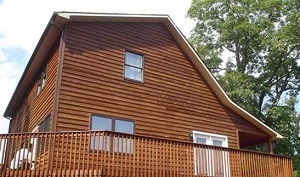
Owning a log home in Asheville, NC is a dream, but the mountains and weather can be tough on wood. Use this practical calendar to plan professional care and keep your home dry, tight, and beautiful. If you already see fading stain, soft spots, or gaps, schedule log home restoration services with Taskmasters so small issues do not snowball into major repairs.
Why Asheville’s Climate Demands A Calendar
Our mountain climate mixes high UV at elevation, humid summers, frequent rain, and freeze‑thaw cycles. South and west walls soak up sun. North walls can stay damp under shade trees. Pollen in spring and leaf litter in fall trap moisture against wood. From Biltmore Forest and Kenilworth to Montford, West Asheville, and Black Mountain, microclimates vary street by street. A written calendar keeps you ahead of the weather so your finish, chinking, and seals stay protective all year.
At‑A‑Glance: Your Annual Log Home Maintenance Calendar
- Winter (January–March): structure and moisture risk review; attic and crawlspace check; ice and runoff paths; documentation for spring work
- Spring (April–June): full exterior inspection; chinking touch‑ups; targeted washing; stain evaluations; plan re‑stain timeline
- Summer (July–August): sun and storm follow‑ups; pest monitoring; ventilation and drainage checks under heavy foliage
- Fall (September–November): pre‑winter sealing; final re‑stain windows; leaf and debris removal from walls and bases
- Any Time: after severe wind, hail, or heavy rain, book a same‑week check for vulnerable walls and log ends
Winter: Protect The Structure While Nature Rests
January: Baseline Health Check
Start the year with a professional review of logs, corners, and log ends. Specialists look for hairline checks that channel water, loose trim that opens gaps, and tired sealants around penetrations. Winter light and bare landscaping make problems easier to spot. Document areas to address once conditions improve.
February: Moisture Pathways And Air Leaks
Your home should shed water like a raincoat. Pros map where meltwater and runoff travel, especially around porches in Weaverville, Candler, and Swannanoa where wind can drive rain. They also test for drafts at outlets and window bucks that point to deteriorated chinking or caulk. **Address water intrusion fast** so freeze‑thaw does not open the wood further.
March: Schedule Spring Work
With warmer days ahead, confirm dates for washing, chinking touch‑ups, and finish evaluations. Book early; spring fills quickly in Asheville and Hendersonville. This is also the time to line up any media prep or light blasting if a failing topcoat needs to be removed before fresh finish is applied later in the year.
Spring: Reset The Exterior After Pollen And Rain
April: Full Professional Inspection
Pros walk each elevation and take close looks at checks, notches, window and door perimeters, and log ends. They evaluate stain color uniformity and sheen loss. They note softened spots or lift at the bottom courses where splash‑back occurs near landscaping.
May: Chinking And Sealant Touch‑Ups
Minor gaps appear as timbers move through seasons. A specialist matches the existing product and color, then refreshes areas where adhesion has relaxed. **Never delay chinking touch‑ups** around kitchens, baths, or any place with vent penetrations because warm interior air meeting cool exterior surfaces invites condensation and decay.
June: Stain Evaluation And Scheduling
Finish protects against UV and rain. The pro compares exposures: south and west walls often need attention sooner than shaded sides in Montford or Woodfin. If the finish is thinning or uneven, your team sets the re‑stain timeline so coating remains a shield rather than becoming a patchwork. For broader exterior care insights, see this related read on painting that protects wood siding.
Summer: Keep Up With Sun, Storms, And Pests
July: Sun And Storm Follow‑Ups
Heat, quick downpours, and swirling winds can create new checks or lift near end grains. Specialists revisit exposed walls and porches after strong cells, especially in open ridgelines and lakefront areas. They also look for splash patterns that suggest gutters or diverters need adjustment.
August: Ventilation And Vegetation
Dense summer growth can trap moisture. Pros confirm shrubs are trimmed back off the walls so air circulates. They also review crawlspace vents and attic exhaust to reduce humidity that migrates through the envelope. **Protect south‑ and west‑facing walls** with proactive care because those surfaces fade fastest at elevation.
Fall: Button Up Before Freeze‑Thaw Returns
September: Final Re‑Stain Window For The Year
Many Asheville homeowners prefer early fall for re‑staining selected elevations because days are steady and nights are cooler. Your team sequences work so protected sides are maintained on time while sun‑exposed walls get their fresh shield before the first cold snaps.
October: Comprehensive Sealing Review
As leaves fall in Arden and Fairview, specialists clear debris near base logs and confirm kickout flashing, diverters, and drip lines push water away. They retest perimeters and transitions where trim meets timbers. The goal is to head into winter sealed, dry, and ready.
November: Document And Plan
Close the year with a brief review and update your maintenance log. Photos, notes, and service dates help forecast the next cycle and keep warranties intact. It also helps you budget time on the calendar, not money on surprise repairs.
Inspections, Chinking Touch‑Ups, And Re‑Stain Timelines
Everything works together. Inspections find changes early. Chinking and sealant touch‑ups close the door on drafts and water. Re‑stain timelines maintain the UV and moisture barrier so the wood stays sound. In neighborhoods from Biltmore Park to Black Mountain, exposures vary, so schedules are staggered by wall and by microclimate rather than a one‑date‑fits‑all plan. When mapping your year, anchor the plan to seasonal weather and then layer in touch‑ups as the home moves.
If you are new to the region or just purchased a cabin, start with a professional review and baseline plan. Many owners then set spring and fall visits as their rhythm. When you need deeper help, request a thorough assessment and tailored plan for log home restoration in Asheville, NC. This keeps the whole home on track without you guessing what to do next.
Red Flags That Need Immediate Attention
- Soft or darkened spots near log ends, checks that face upward, or musty odors after rain
- Drafts or visible gaps at window and door bucks, trim transitions, or corner notches
- Stain that looks chalky, faded unevenly, or blotchy after a wet spell
- Persistent splash‑back at the first course from landscaping or short overhangs
- Insect frass, peck marks from birds, or woodpecker interest on the same elevation
Call a pro quickly if you notice these. **Small openings invite water** and that accelerates decay, especially through our fall rains and winter freezes.
How Taskmasters Plans And Delivers Your Maintenance
Taskmasters is a dedicated wood maintenance team serving Asheville and nearby towns within the 25‑mile area. We pair seasoned eyes with proven processes so your home gets the right service at the right time. We document every visit with notes and photos, track elevation‑by‑elevation needs, and set reminders before coatings or seals age out. When restoration is required, we coordinate surface prep and finishes so the exterior looks natural and stays protected.
If you have a vacation rental in West Asheville or a full‑time residence in Kenilworth, our calendar approach keeps the home steady through busy seasons. When your schedule is tight, we prioritize the tasks that deliver the most protection first, then follow with cosmetic items so you get real risk reduction right away.
Annual Calendar Example For A Typical Asheville Log Home
Quarter 1 (Jan–Mar)
Structure and moisture review, then plan spring washing, chinking touch‑ups, and finish evaluation. Your pro flags any areas that may require sectional re‑stain once temperatures stabilize.
Quarter 2 (Apr–Jun)
Full exterior inspection, small chinking refresh where movement opened hairline gaps, gentle exterior cleaning, and finish assessment. If topcoat wear shows on sunny walls, your team schedules those elevations for re‑stain during late spring or early fall.
Quarter 3 (Jul–Aug)
Follow‑up after major storms to confirm no new checks are channeling water. Monitor pest activity and verify vegetation does not touch the walls. Adjust diverters or splash zones as needed to prevent base‑log wetting.
Quarter 4 (Sep–Nov)
Re‑stain remaining planned elevations, finalize sealant checks, and clear leaf buildup from corners, porches, and base logs. Document the year’s work and set the next spring visit.
Ready To Put Your Calendar In Motion?
The easiest way to start is a professional inspection and written plan. From there, your annual rhythm becomes simple check‑ins and timely touch‑ups instead of emergency fixes. To get your Asheville home on a predictable, protective path, request log home restoration with Taskmasters or call 252-266-9457 today.