


Log Home Chinking and Sealing in Asheville, NC: Preventing Winter Moisture and Drafts
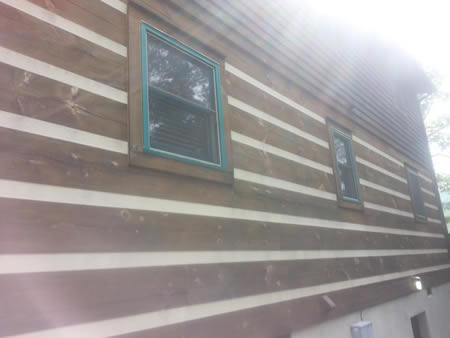
In the Blue Ridge Mountains around Asheville, winter comfort starts at the seams. High humidity rides the French Broad Valley, then cold snaps roll off the ridgelines. That constant shift makes logs swell and shrink, and weak joints open up. Quality chinking and moisture sealing from a local expert keeps your home warm, quiet, and dry. If you are comparing options, our log home restorations service explains how we prepare, preserve, and seal cabins without harming historic wood.
Why Chinking and Sealing Matter In The Blue Ridge Winter
Chinking is the flexible seal between your logs. In Asheville’s climate, late-fall temperature swings and frequent freeze–thaw cycles push that seal to its limit. When a rigid or aged bead cracks, air sneaks in, heat sneaks out, and damp air condenses in the gaps. That is when drafts, elevated energy bills, and hidden water stains begin.
Modern, elastomeric chinking is designed to move with the logs. Paired with careful moisture management, it reduces air infiltration and keeps the building envelope stable. In older cabins from Montford to Black Mountain, a proper seal also protects unique joinery and historically sawn or hand-peeled faces so they can last another generation.
Asheville Climate Risks That Attack Your Seals
From West Asheville to Biltmore Forest, cabins battle three common stressors each fall and winter:
- Daily temperature swings and repeated freeze–thaw cycles that cause hairline cracks to widen.
- Persistent mountain humidity that keeps joints damp, softening failed sealant and feeding mildew.
- Wind exposure on ridgelines from Beaverdam to Fairview that drives rain and cold air into weak corners.
Left alone, those forces can push moisture behind the finish. Over time it discolors interior drywall, swells trim, and encourages decay at notches and checks. Once water enters a joint, damage accelerates during the first hard freeze.
Local insight: In Buncombe County, early-season cold fronts often swing from the 50s down to the 20s overnight. Scheduling preservation and chinking work before that first hard freeze helps ensure proper cure, a tighter seal, and fewer winter call-backs.
Where Leaks Hide: Corners, Notches, and Joinery
Air leaks and water intrusion almost always start at high-movement and multi-grain areas. Our team focuses inspection on:
- Corner notches and saddle joints where radial and tangential movement pull seams apart.
- Log-to-window and log-to-door interfaces, especially around bucks and sills that see daily use.
- Vertical log joints, electrical and vent penetrations, and log-to-foundation transitions.
Because Asheville homes sit in varied exposures, we also check south and west elevations for UV-brittled sealant, and north elevations for persistent shade and damp. If movement has torn the sealant bond on one side of a joint, the remaining edge can trap water against the wood.
Professional Chinking Built For Mountain Movement
Flexible Elastomeric Chinking That Moves With The Logs
We use high-performance elastomeric chinking formulated for flexibility across four seasons. The goal is a joint that stretches and recovers without tearing. Installed over the right backer material and shaped with a smooth hourglass profile, the bead maintains strong adhesion on both sides while the center flexes freely. This reduces stress, resists tearing, and prevents edge lifting even when temperatures swing overnight.
Borate Preservative Treatments That Protect The Wood
Before new chinking is installed, we address the wood itself. Borate preservative treatments penetrate the fiber and help control decay fungi and wood-ingesting insects. In the Blue Ridge, this step is especially important where humidity lingers under porches or near creeks. Our process treats at-risk checks, end grain, and notches so the finished system resists moisture cycles long after the work is done. Treating first, then sealing, locks protection in the wood and keeps water out.
Backer Rods, Bond Breakers, and Proper Joint Design
A durable joint needs the right foundation. We select closed-cell backer rod sized for consistent depth, or use a compatible bond-breaker where backer is not practical. This creates the two-point adhesion that elastomeric chinking requires for long service life. The result is a clean, slightly concave profile that sheds water and allows the center of the joint to stretch without ripping the edges.
Surface Prep That Respects Historic Timber
Good adhesion hinges on clean, sound wood. Depending on the finish and condition, we may hand-prepare select areas or choose a controlled media method. For larger restoration projects that require coating removal, our crew may recommend media blasting as part of a full restoration plan, then finish with gentle hand-prep near delicate grain. The aim is to remove failed finishes and contaminants while preserving patina and tool marks that give historic cabins their character.
Energy, Comfort, and Quiet You Can Feel
Warm air loss through leaky joints is one of the biggest comfort killers in winter. Tight, flexible chinking stops the drafts that creep along floors and up stairwells. Sealed joints also tone down the whistle on windy nights and calm rattling trim around doors and windows. Many Asheville homeowners notice rooms heat more evenly after proper sealing, and that the wood smell they love stays while the cold air stays out.
If you are researching big-picture upgrades, you can learn more about finishes that complement a fresh seal by skimming our article on exterior home painting. Coordinating finish work after chinking helps lock in protection and a crisp, uniform look.
Timing Your Project Before Winter
In our region, the sweet spot for chinking and moisture sealing typically falls in early to mid fall when daytime temps are steady and nights are cool but not freezing. That window supports product cure, consistent joint movement, and predictable scheduling. It also means your home is sealed before the leaf-drop rains and the first deep frost hit neighborhoods like Kenilworth, Royal Pines, and Arden. If you are just starting your research, compare methods, materials, and preservation steps on our log home restorations page to see how the entire system works together for winter performance.
Preserving Historic And Rustic Cabins Without Damage
From Montford porches to quiet cabins near Bent Creek, many Asheville homes feature irreplaceable timber. We protect those assets by choosing breathable finishes, matching chinking color and texture to the era, and avoiding aggressive prep near original tool marks. Borate treatments defend against decay without trapping moisture, and flexible elastomeric chinking handles daily movement without crushing soft earlywood or tearing along checks. The final result respects the home’s story while meeting modern performance needs.
What To Expect From Taskmasters
When you call, our team listens first. We document where drafts are felt, which rooms run cold, and where snow or wind hit the hardest. During the site review, we examine corners, notches, penetrations, window and door interfaces, and exposed checks. Moisture-prone areas get special attention for treatment. After surface prep, preservative work, and joint design, we install flexible chinking with clean lines and consistent depth. We finish with careful detailing around trim and fixtures, then review everything with you so you know what was addressed and what to monitor season to season.
Because many Asheville cabins are second homes, we also plan work in tidy phases and maintain clear communication so surprises stay off your calendar. A tight home is quieter, safer from moisture, and simply more relaxing when you arrive on a cold Friday night.
Choose A Local Team That Knows The Mountains
Sealing a log home in the Blue Ridge is not the same as sealing one on the coast. Our crews understand the humidity, elevation shifts, and winter winds that test every seam from Weaverville to Fletcher. If you are starting your project list, an easy first step is reading about log home restoration in Asheville, NC and then setting up a winter-readiness check. We are happy to coordinate with your schedule and any other exterior work you have planned so your cabin goes into the season sealed and secure.
Ready to keep winter out and comfort in? Call Taskmasters at 252-266-9457 to talk through your goals and timing. You can also learn more about our approach and plan your next steps right on our log home restorations page.